

Whether it was a jackknife on I-75 near Lima, a rear-end collision on Harding Highway, or a sideswipe on Elida Road, when a semi truck hits you, it can leave you shaken and unsure of your priorities.
If you’re wondering what to do after a truck accident, Bensinger Legal Services provides practical steps for managing legal challenges after a crash.
What Should You Do First After an Ohio Truck Accident?
Move to a safe location, dial 911, and request immediate medical help. Truck accidents can cause hidden injuries because adrenaline may mask pain.
If you can move safely, get out of traffic, turn on your hazard lights, and stay out of active lanes. On busy Ohio highways like I-75 and U.S. 30, secondary crashes can happen quickly. If you are hurt, stay put and wait for emergency responders.
Medical documentation matters later. Whether you receive medical care at Mercy Health – St. Rita’s Medical Center, Lima Memorial Health System, or another Ohio hospital, early treatment helps link your injuries to the crash.
What Information Should You Collect at the Scene?
Collect information to identify the driver, trucking company, vehicle, witnesses, and crash conditions. Ohio drivers must stop and provide information to injured people, other involved drivers, and police. In addition to public roads and highways, the law also covers crashes on private property, such as parking lots and loading areas.
Before you leave the scene, try to gather the following details:
- The truck driver’s name, co[ commercial driver’s license information, and insurance details;
- The trucking company’s name, DOT number, trailer number, and license plate information;
- Photos or videos of vehicle damage, skid marks, spilled cargo, road conditions, traffic signs, weather, and visible injuries;
- Names and contact information for witnesses, including nearby drivers, passengers, workers, or residents; and
- The responding law enforcement agency, report number, and officer’s name, if available.
These details disappear quickly once the truck leaves, road crews clear debris, and witnesses leave.
What Happens When a Semi Truck Hits You?
What happens after a semi-truck crash depends on injury severity, insurance coverage, evidence, and fault. Claims can involve the driver, motor carrier, maintenance contractors, cargo loader, broker, vehicle owner, or another driver.
Truck cases involve unique evidence, such as electronic logs, qualification files, inspection records, dispatch communications, test results, maintenance records, dashcam footage, and cargo documents.
Commercial trucking rules matter if fatigue, unsafe loads, or poor maintenance contributed to the incident. Federal rules limit driver hours to prevent fatigue, and cargo securement rules require loads to be safe and stable.
Should You Talk to the Insurance Company Right Away?
Report the crash, but do not give recorded statements or accept quick settlements before careful review. Insurers can use your answers to dispute fault or question the cause and extent of your injuries.
Ohio follows a comparative fault rule. Your compensation may be reduced if you share fault, and you may be barred from recovering compensation if your share of fault exceeds the combined fault of all other parties. Early evidence is key as insurers may attempt to shift blame to deny or reduce payouts.
What To Do After a Semi Truck Accident in the Days Following the Crash?
In the days after a semi truck accident, focus on protecting your health, documenting your injuries and losses, and safeguarding your legal position. You do not need to solve the entire case alone, but you should ensure a proper investigation begins soon.
After the scene clears, take these steps:
- Follow up medically. Attend appointments, follow discharge instructions, and inform providers about new symptoms, including headaches, back pain, neck pain, dizziness, numbness, or anxiety.
- Save all documents. Keep hospital records, imaging referrals, prescriptions, repair estimates, rental car receipts, wage loss notes, and insurance correspondence.
- Avoid social media posts. Photos, check-ins, and casual comments can be taken out of context by insurers.
- Do not sign broad releases. A release may give insurers access to medical history unrelated to the crash.
- Contact a truck accident lawyer early. A lawyer can send preservation letters before key trucking evidence is lost, overwritten, repaired, or discarded.
Taking these initial steps builds a strong evidence base, which can be crucial if insurance companies attempt to challenge liability.
How Can Bensinger Legal Services Help After an Ohio Truck Accident?
Bensinger Legal Services quickly investigates crashes and handles insurers so you can focus on recovery. We serve clients across Ohio, including Elida, Shawnee, Findlay, Kenton, Van Wert, and nearby areas.
Aaron applies broad legal experience to local Ohio injury cases, giving practical guidance and personal attention. We know a truck crash affects every part of your life. If you are unsure what to do after a truck accident, schedule a case review to discuss your options and preserve important evidence before it disappears.
FAQs About Ohio Truck Accidents
Do I Need a Police Report After a Truck Accident in Ohio?
Yes, call the police after a truck accident, especially if there are injuries or the vehicles are blocking traffic. A report documents drivers, vehicles, road conditions, witnesses, and officer observations.
How Soon Should I See a Doctor After a Truck Crash?
See a doctor as soon as possible, even if you feel fine. Delays can affect both your health and your accident claim.
Can I Recover Compensation If I Was Partly at Fault?
You may still get compensation if your fault is below Ohio’s threshold. Your share of responsibility reduces your amount, so early evidence matters. You must also file a lawsuit within the applicable statute of limitations, which is generally two years from the date of your accident.
Why Are Truck Accident Cases Different from Car Accident Cases?
Truck accident cases differ due to regulations, corporate defendants, higher insurance, electronic records, maintenance, and multiple responsible parties. Early investigation is crucial.
Legal References Used to Inform This Page:
To ensure the accuracy and clarity of this page, we referenced official legal and other resources during the content development process:
- Lima Memorial Health System.
- Ohio Revised Code § 4549.021, Stopping After Accident on Other Than Public Roads or Highways.
- Federal Motor Carrier Safety Administration, Cargo Securement Rules.
- Ohio Revised Code § 4549.02, Stopping After Accident on Public Roads or Highways.
- Federal Motor Carrier Safety Administration, Hours of Service.
- Ohio Revised Code § 2315.33, Contributory Fault Effect on Right to Recover.
- Mercy Health – St. Rita’s Medical Center.
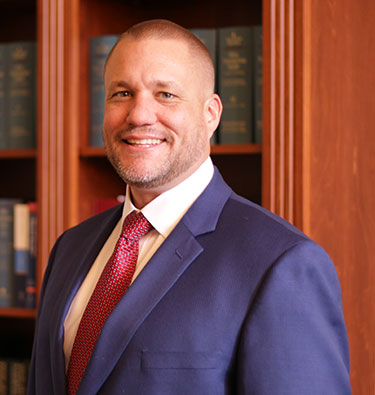
Aaron L. Bensinger is an Ohio attorney serving personal injury and civil litigation clients. He has extensive trial experience and makes client service is his primary focus. As a partner at Balyeat, Leahy, Daley, Miller & Bensinger, LLC, Aaron happily works in Lima, OH, and serves the entire Northwest region of the state and beyond.