

Car accidents create violent forces that jar the brain against the inside of the skull. Even without an external wound, the brain may suffer harm that changes memory, mood, or physical abilities. The types of brain injuries from car accidents vary in severity, and each injury requires careful medical attention.
Below, we describe five kinds of brain trauma from crashes and the symptoms you should watch for after a car accident in Ohio. For more information and a free consultation, call us at (419) 455-1410 or contact us online.
1. Concussions: The Most Recognized Brain Injury
Concussions are among the most common brain injuries from car accidents. A quick stop or sharp blow can make the brain strike against the skull, even when the head does not hit another object.
Symptoms may appear right away or later. People often report:
- Headaches or pressure inside the head;
- Confusion or slowed thinking;
- Nausea, dizziness, or imbalance; and
- Sensitivity to light, noise, or screens.
Research shows that mild traumatic brain injuries make up about 75% of all cases, and many involve concussions. While many recover within weeks, some people experience post-concussion syndrome, where problems with memory, concentration, and mood last for months.
2. Brain Contusions: Bruising Beneath the Skull
A brain contusion is a bruise that forms when the head strikes something inside the car, such as a steering wheel, window, or airbag. The bruise damages small blood vessels and causes swelling in the brain tissue. As one of the more serious brain injuries from car accidents, a contusion can quickly become life-threatening if swelling continues.
Indicators may include drowsiness, slurred speech, or coordination problems. Larger contusions can raise dangerous pressure inside the skull and may require surgery to relieve the pressure. Even smaller bruises sometimes leave lasting difficulties with memory or motor function.
3. Coup-Contrecoup Injuries: Double Impact Damage
In some crashes, the brain suffers injury at two sites. The first impact, a coup injury, strikes the brain at the point of contact. The rebound effect then causes a contrecoup injury on the opposite side of the brain.
This double blow creates wide-ranging symptoms. A person may experience memory loss, difficulty forming words, and problems with balance. Because multiple brain regions are affected, treatment may involve speech, occupational, and physical therapy to restore function.
4. Hematomas: Bleeding That Increases Pressure
A hematoma develops when bleeding inside the skull creates a dangerous build-up of pressure. Without treatment, the pressure can damage delicate brain tissue. The most frequent hematomas after crashes are:
- Epidural hematoma, involving bleeding between the skull and the brain’s outer covering;
- Subdural hematoma, where bleeding beneath that covering presses directly on the brain; and
- Intracerebral hematoma, when bleeding develops inside the brain tissue.
Warning signs may include worsening headaches, confusion, unequal pupils, or sudden drowsiness. These injuries require emergency care and sometimes surgical drainage. Survivors need close monitoring to watch for swelling or repeat bleeding.
5. Diffuse Axonal Injury: Damage Hidden on Scans
A violent twist of the head can stretch or tear nerve fibers inside the brain. This type of trauma, called diffuse axonal injury, disrupts communication between brain cells across multiple regions.
Signs may include losing consciousness at the crash scene, problems with memory and focus, or ongoing balance issues.
Studies estimate that around 60% of severe traumatic brain injuries involve diffuse axonal injury. Diagnosis can be challenging since it does not always appear clearly on imaging scans. Recovery is unpredictable and may require months or years of therapy.
Living with the Effects of Brain Damage from a Car Accident
The physical, emotional, and financial toll of brain damage from a car accident can last for years. Memory loss, mood changes, or physical limitations may interfere with work, family responsibilities, and independence. Families face steep medical bills for hospitalization, therapy, and long-term support.
In Ohio, you generally have two years from the accident date to file a personal injury lawsuit. That window can pass quickly during recovery. A fair settlement must account for all medical care and how the injury changes daily life, both now and in the future.
Free Consultation with an Ohio Car Accident Brain Injury Attorney
At Bensinger Legal Services, attorney Aaron Bensinger helps people across Northwest Ohio pursue compensation for many types of brain injuries from car accidents. With extensive experience and a client-focused approach, he works to recover settlements that cover treatment, replace lost income, and reflect the long-term impact of the injury.
If you or a loved one experienced one of the types of brain injuries from car accidents described above, do not wait to get legal help. Call (419) 455-1410 or contact us online today to schedule a free consultation.
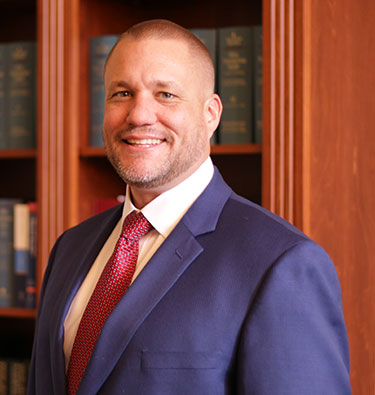
Aaron L. Bensinger is an Ohio attorney serving personal injury and civil litigation clients. He has extensive trial experience and makes client service is his primary focus. As a partner at Balyeat, Leahy, Daley, Miller & Bensinger, LLC, Aaron happily works in Lima, OH, and serves the entire Northwest region of the state and beyond.

 Loading...