
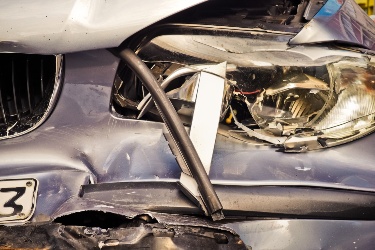
One minute, you are driving through Lima on Elida Road or merging onto I-75. The next, you are checking your passengers, looking at a damaged vehicle, and trying to decide what to do first.
What to do after a car accident in Ohio? Start with safety, medical needs, and a clear factual record. What happens in the first hour can affect your recovery and the evidence available later.
Bensinger Legal Services helps injured Ohio drivers handle the aftermath without turning a difficult day into a second job.
If you are feeling overwhelmed, don’t navigate the aftermath alone, contact an experienced car accident lawyer today for immediate guidance.
What Steps Should I Take After a Car Accident Before Leaving the Scene?
The most important steps after a car crash in Ohio are to protect people, comply with your legal duties, and preserve evidence before the scene changes. If you are physically able, focus on these priorities:
- Get out of immediate danger. Move to a safer position if you can do so without creating another hazard, and use your flashers.
- Call 911 when someone may be hurt or the scene is unsafe. Report injuries, blocked lanes, fire risks, suspected impairment, or other urgent conditions.
- Stop and exchange required information. Ohio drivers involved in a public road crash must stop and provide identifying and vehicle information. Similar duties apply on private property.
- Photograph the whole scene. Capture vehicle positions, lane markings, traffic controls, debris, skid marks, sight obstructions, and wide views of the roadway.
- Get witness contact information. Ask for names and phone numbers before people leave.
- Take symptoms seriously. If you have pain, confusion, dizziness, numbness, or another concerning symptom, accept emergency evaluation or seek prompt care.
Once everyone is safe and the basic facts are preserved, you can turn your attention to medical care and the practical issues that follow.
Who Files the Crash Report, and What Are You Responsible For?
Usually, the investigating law enforcement agency creates and submits the official Ohio traffic crash report. State reporting rules require the agency to forward the OH-1 report within five days for crashes that meet the requirements for reporting a car accident in Ohio.
Your duties as a driver are separate from the investigating agency’s reporting duties.
On a public road, you must stop and provide your name and address, the vehicle’s registration number, and the owner’s name and address if you do not own the vehicle. Exchanging insurance information at the scene is also useful for the claims process.
On private property, stopping is also mandatory, and if you don’t provide your information on the spot, you must deliver it to the police or sheriff’s office within 24 hours. If you hit an unattended vehicle, Ohio law requires you to leave your information securely on it.
If another driver or vehicle owner appears uninsured, a person involved in the crash may submit a written report to the registrar within six months alleging a lack of financial responsibility.
What Evidence Can Vanish Within Hours of a Crash?
The most fragile evidence is often the evidence you assume will still be there next week. Vehicles get repaired, debris disappears, witnesses become harder to find, and surveillance footage can be overwritten.
After a car accident in Lima, Ohio, be sure to photograph more than vehicle damage. Record the intersection, signs, signal heads, construction zones, potholes, pooled water, and anything else that may have affected visibility or movement. Note nearby businesses or homes with cameras. If a pothole, broken sign, or signal problem contributed, document it before it changes.
CONNECT LIMA can document a non-emergency city-service issue, but it does not replace calling 911 or contacting law enforcement when the crash itself requires police attention.
What Should You Do About Injuries After You Get Home?
Follow-up care matters because some symptoms may continue or change after you leave the scene. Tell providers when symptoms began and how they affect daily activities. Keep discharge papers, prescriptions, referrals, work restrictions, and bills.
Do not diagnose yourself or minimize symptoms, hoping they will fade. Clear medical records can also document when symptoms appeared, what treatment you received, and how the injuries affected your daily activities.
What Should You Say When Insurance Calls?
Report the crash to your own insurer according to your policy’s notice requirements, but do not turn the first call into an improvised reconstruction of the collision. Provide facts you know. Do not guess about speed, distance, fault percentages, or details you do not clearly remember.
Before giving a recorded statement to the other driver’s insurance, signing a general medical authorization, or agreeing to a settlement release, make sure you understand what is being requested. While a quick payment may seem tempting amidst rising bills, signing a release could settle the claim prematurely, before you fully understand the extent of your injuries.
Keep one claim file with photos, medical records, repair estimates, rental receipts, wage-loss documents, insurer emails, and notes from important calls. This simple habit makes later claim decisions easier to evaluate.
What If the Other Driver Says You Were Partly at Fault?
Being partly at fault does not automatically eliminate an Ohio injury claim. If your share of fault is 50% or less, you may still recover compensatory damages. However, if your fault is greater than the combined fault of the other responsible parties, recovery is barred under Ohio’s comparative-fault rule.
That is one reason why photographs, witnesses, and careful factual statements matter when drivers disagree about a signal, a lane change, or a following distance.
Ohio auto accident compensation can include documented economic losses, such as medical expenses and lost income, as well as qualifying noneconomic losses, such as pain and suffering.
Why Can Waiting Hurt Even with a Two-Year Deadline?
Ohio generally gives you two years to file a bodily injury or personal property lawsuit after the claim accrues. For an ordinary crash claim, that usually means when the injury or property loss occurs.
If the crash caused meaningful injury, disputed fault, major damage, or lost work, early legal guidance can help preserve options even if a lawsuit is not needed.
When Does an Ohio Crash Stop Being a DIY Insurance Claim?
It is worth speaking with a lawyer when the crash involves injuries, disputed fault, multiple vehicles, an uninsured driver, significant missed work, or pressure from an insurer.
Bensinger Legal Services is based in Lima and represents injured people across Northwest Ohio and beyond. Aaron Bensinger has obtained favorable jury verdicts in both Ohio and California, bringing larger-market litigation experience to a practice built around direct, personal client service. We can step in when fault is in dispute, injuries are significant, insurance issues become complicated, or you simply need to know whether the insurer is treating the claim fairly.
If a crash has left you dealing with injuries, missed work, or an insurance claim that is getting harder to manage, contact our team for a free case review. We can help you understand what to do after a car accident in Ohio and take the legal work off your plate while you recover.
Legal References Used to Inform This Page:
To ensure the accuracy and clarity of this page, we referenced official legal and other resources during the content development process:
- Ohio Revised Code Section 4549.02, Stopping After Accident on Public Roads or Highways.
- City of Lima, Report a Concern.
- Ohio Revised Code Section 2305.10, Bodily Injury or Injury to Personal Property.
- Ohio Revised Code Section 4549.021, Stopping After Accident on Other Than Public Roads or Highways.
- Ohio Administrative Code Rule 4501-31-01, Reports of Motor Vehicle Accidents.
- Ohio Revised Code Section 4509.06, Accident Report Alleging Uninsured Driver or Owner.
- Ohio Revised Code Section 2315.33, Contributory Fault Effect on Right to Recover.
- Ohio Revised Code Section 2315.18, Compensatory Damages in Tort Actions.
Aaron L. Bensinger is an Ohio attorney serving personal injury and civil litigation clients. He has extensive trial experience and makes client service is his primary focus. As a partner at Balyeat, Leahy, Daley, Miller & Bensinger, LLC, Aaron happily works in Lima, OH, and serves the entire Northwest region of the state and beyond.


 Loading...